


-

Add: HeBei ShengShi HongBang Cellulose Technology CO.,LTD.
-

Email
13180486930@163.com -

CONTACT US
+86 13180486930
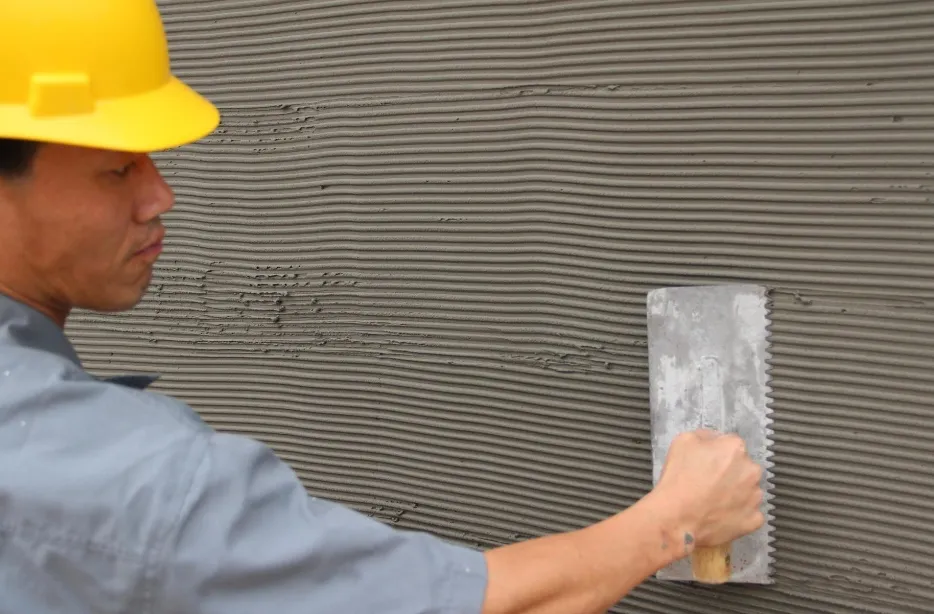
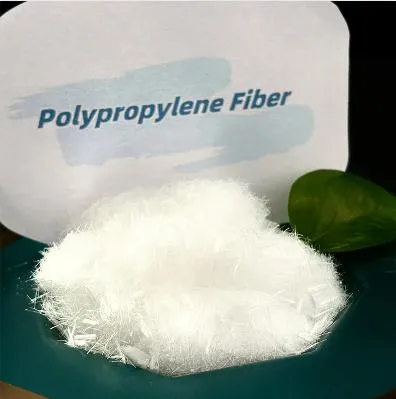

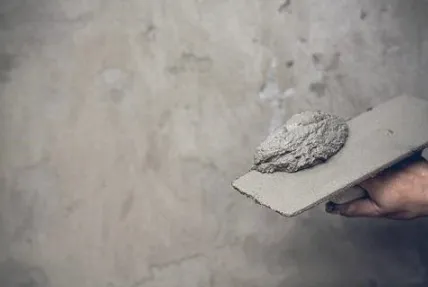


In the world of modern construction, synthetic fibers have revolutionized the way materials are used, enhancing the strength, flexibility, and durability of various building components. The different types of synthetic fibers available today are engineered for specific uses, making them indispensable in many construction projects. These fibers are often used to reinforce concrete, improve the resilience of building structures, and provide additional benefits like increased fire resistance and weather protection. From polypropylene fibers to long glass fibers , synthetic fibers offer a range of options tailored to different needs. Whether it’s increasing the strength of cement or providing insulation properties, the different types of synthetic fibers ensure that construction projects meet high standards of quality and longevity. In addition to their superior performance, synthetic fibers are often more cost-effective and readily available than traditional materials. This makes them a preferred choice for construction companies aiming to reduce costs while maintaining high-quality results. Furthermore, the environmental impact of synthetic fibers is increasingly being addressed with sustainable production methods, making them a more eco-friendly option for the construction industry. Long Glass Fiber Polypropylene: A Key Ingredient for Stronger Materials One of the standout synthetic fibers in the construction industry is long glass fiber polypropylene . This innovative fiber combines the strength of glass with the lightweight, corrosion-resistant properties of polypropylene. As a result, long glass fiber polypropylene is often used to reinforce concrete and other building materials, providing a significant boost in durability and performance. The inclusion of long glass fiber polypropylene in construction materials helps reduce cracking and improve the structural integrity of buildings and roads. The long fibers create a matrix that distributes stresses evenly across the material, preventing localized damage. This fiber is particularly useful in high-strength concrete applications where additional reinforcement is needed. Moreover, long glass fiber polypropylene is highly resistant to environmental factors like moisture, UV radiation, and temperature changes, making it ideal for both indoor and outdoor construction projects. It is commonly used in applications like paving, drainage systems, and even in the production of prefabricated building components. Its versatility and effectiveness in improving the lifespan and reliability of building materials make it a go-to solution for modern construction needs. Fibre Natural and Synthetic: A Comparison of Strength and Sustainability When choosing materials for construction, understanding the difference between fibre natural and synthetic options is crucial. While natural fibers such as jute, hemp, and cotton have been traditionally used in construction, synthetic fibers like polypropylene, polyester, and nylon have emerged as more durable and cost-effective alternatives. Fibre natural and synthetic materials each have their own advantages, making them suitable for different types of applications. Natural fibers are renewable, biodegradable, and often produced using more sustainable methods, making them a more eco-friendly option. However, they may not offer the same level of strength or resistance to environmental factors as synthetic fibers. On the other hand, synthetic fibers are engineered for durability, offering superior resistance to moisture, heat, and wear. They are often used to enhance the properties of natural materials, making them more suitable for demanding construction environments. For example, natural fibers like hemp may be used in insulation or as a reinforcement material in low-stress applications, while synthetic fibers like polypropylene or polyester are used for high-strength reinforcement in concrete, roofing, and other critical structures. By combining the best of both fibre natural and synthetic materials, construction companies can achieve optimal performance and sustainability. Non-Woven Polypropylene Fiber: A Revolutionary Material in Construction Non woven polypropylene fiber is another essential material that is increasingly being used in the construction industry. Unlike traditional woven fabrics, non woven polypropylene fiber is made from a process that bonds fibers together without weaving or knitting, resulting in a highly versatile material with excellent durability and moisture resistance. This fiber is widely used in applications like drainage systems, geotextiles, and road construction. Non woven polypropylene fiber provides a lightweight yet strong solution for reinforcing construction materials. It is often used in soil stabilization, as it helps prevent erosion and improves the strength of the ground underneath roads, bridges, and buildings. The material's ability to resist moisture also makes it ideal for protecting against corrosion and extending the lifespan of infrastructure. Additionally, non woven polypropylene fiber is environmentally friendly, as it is made from recyclable polypropylene, a material that can be repurposed for various other uses. Its cost-effectiveness, combined with its high-performance qualities, makes it a popular choice for contractors seeking durable and sustainable solutions for their construction projects. S ynthetic F ibers FAQs What are the different types of synthetic fibers used in construction? Synthetic fibers used in construction include polypropylene, polyester, nylon, and glass fibers. Each type is engineered for specific applications, such as reinforcing concrete, improving durability, and providing insulation. What is long glass fiber polypropylene, and why is it important in construction? Long glass fiber polypropylene is a fiber that combines the strength of glass with the lightweight, corrosion-resistant properties of polypropylene. It is essential in construction for reinforcing concrete, improving structural integrity, and preventing cracking. What are the benefits of using natural fibers in construction? Natural fibers , like hemp or jute, offer benefits such as renewability, biodegradability, and sustainability. They are commonly used for insulation and low-stress reinforcement, but may not be as durable or resistant to environmental factors as synthetic fibers. How does non-woven polypropylene fiber differ from woven fabrics? Unlike woven fabrics, non-woven polypropylene fiber is made through a bonding process that does not involve weaving or knitting. This results in a highly durable and moisture-resistant material, commonly used in geotextiles, drainage systems, and soil stabilization. Are synthetic fibers environmentally friendly? While synthetic fibers are often made from petroleum-based products, many are now produced using more sustainable methods. Additionally, materials like non woven polypropylene fiber are recyclable, making them a more environmentally friendly choice in construction. As construction needs evolve, synthetic fibers like long glass fiber polypropylene and non woven polypropylene fiber continue to play a crucial role in enhancing the strength, durability, and sustainability of building materials. If you're in the construction business, investing in these cutting-edge fibers will improve the performance of your projects and contribute to more eco-friendly practices. Visit our website today to explore our wide range of high-quality synthetic fibers and learn how they can transform your construction projects!
- 40000tons

Production
- 20+years

Experience
- 5000+㎡

Acreage

-

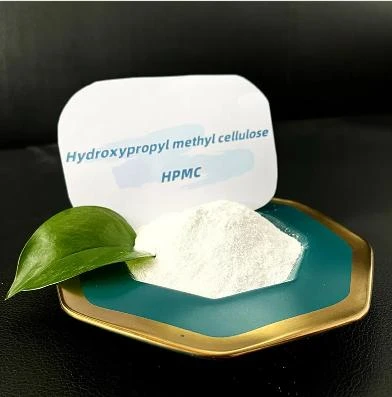
In the complex world of construction and building materials, innovative products regularly establish new standards. One groundbreaking advancement is ANSOS HPMC – Hydroxypropyl Methylcellulose, a synthetic polymer that holds remarkable potential in various applications. As this product is poised to become a staple among construction professionals, it is crucial to explore its real-world applications, niche benefits, and why it earns its place in your inventory. ANSOS HPMC is designed to excel in construction environments where versatility and performance are of paramount importance. The product's multifunctional nature allows it to be integrated effectively across a range of projects, offering distinct advantages over traditional materials. Its primary function is as an additive to cement-based products . This polymer is ingeniously tailored to enhance water retention, consistency, and workability of cement mixes, therefore ensuring superior outcomes. Construction professionals who have incorporated ANSOS HPMC into their repertoire often share compelling experiences that underline its effectiveness. For instance, a project manager overseeing a housing development in Arizona faced challenges with heat-induced rapid water loss in cement mixes. Introducing ANSOS HPMC allowed the contractor to maintain a desirable moisture balance during curing, significantly reducing the occurrence of cracks and ensuring a smoother finish. Expertise in construction materials points to another application where ANSOS HPMC demonstrates its value tile adhesives. Professionals laud the product's ability to improve bond strength and extend open time, thereby reducing failures and enhancing tile longevity. In one industry case study, a tile installer reported a 25% reduction in tile adhesive costs when switching to formulations containing ANSOS HPMC, owing to fewer callbacks and reduced wastage. What further bolsters ANSOS HPMC's standing is its unmatched environmental profile. The combination of biodegradable components with a low toxicological risk makes this polymer an attractive choice for projects emphasizing sustainability. For instance, a European construction firm committed to green practices witnessed an improved LEED rating following the adoption of ANSOS HPMC-enhanced products, highlighting its eco-friendly appeal. ansos hpmc Expert reviews emphasize the polymer's role in reducing environmental strain by optimizing the proportion of raw materials needed in mix designs. This reduction drastically cuts down CO2 emissions associated with binder production, aligning with global efforts toward sustainable construction. As an authoritative voice in construction material advancements, many seasoned professionals attest to the product's reliability and efficacy. ANSOS HPMC's ability to maintain structural integrity under diverse conditions is unmatched, catering to both high-stakes urban projects and self-build communities. The Institute of Modern Construction Materials published a report recognizing ANSOS HPMC as a pivotal step forward in polymer research, underscoring the scientific community's confidence in its capabilities. The trustworthiness of ANSOS HPMC is reinforced through extensive quality testing and satisfaction metrics among users. Manufacturers provide comprehensive data regarding performance consistency across varying climates and project scales. Independent testing agencies continue to verify these claims, making ANSOS HPMC a benchmark for industry standards. However, adopting ANSOS HPMC also includes understanding its technical nuances to maximize benefits. For instance, slight variations in mix formulation can be fine-tuned to project-specific needs, allowing precise control over setting times and flexibility without compromising quality. In conclusion, ANSOS HPMC stands out as a transformative polymer in the construction sector, backed by real-world experiences, specialist endorsements, authoritative acknowledgements, and proven trustworthiness. Its contributions extend beyond mere functional applications, representing a broader commitment to innovation and environmental stewardship. As construction practices evolve, ANSOS HPMC is poised to remain a catalyst in shaping the future of building materials. For those seeking to enhance project outcomes while remaining true to sustainability goals, ANSOS HPMC is an investment not merely in superior materials but in the cutting-edge progression of construction methodology.
-
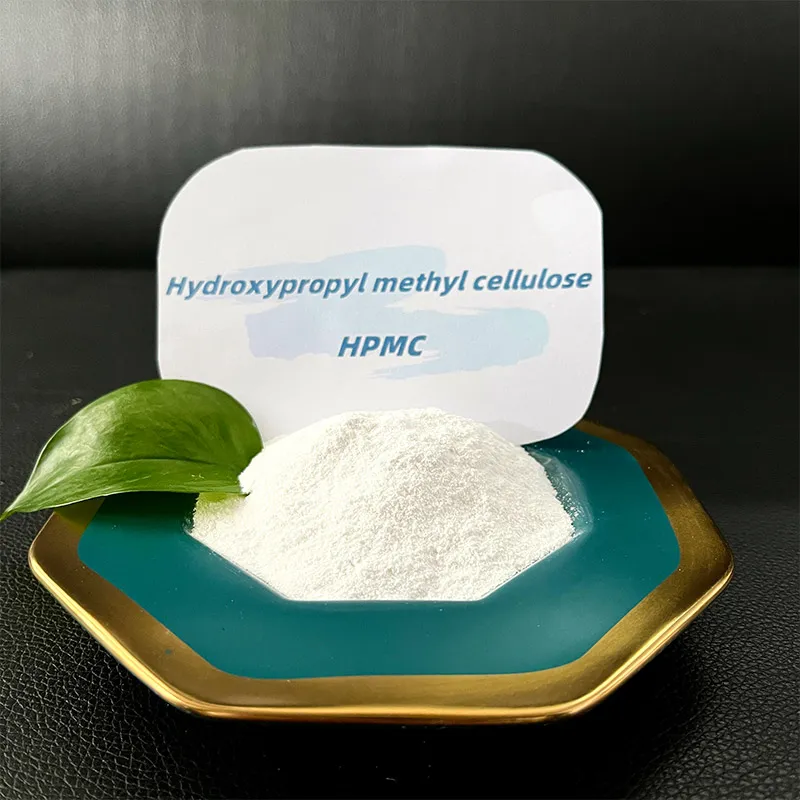
Fiberglass for Concrete Mix Enhancing Strength and Durability Concrete is one of the most widely used construction materials in the world, known for its strength and versatility. However, it does have its limitations, such as brittleness, susceptibility to cracking, and overall weight. To tackle these challenges, the incorporation of fiberglass into concrete mixes has emerged as a game-changing solution that boosts performance while maintaining the same traditional characteristics of concrete. What is Fiberglass? Fiberglass, or glass fiber, is a reinforced plastic material composed of fine fibers of glass. It is known for its high strength-to-weight ratio, excellent resistance to corrosion, and impressive insulation properties. When added to concrete mixes, fiberglass can significantly enhance the material's overall performance, making it a popular choice in various construction applications. Benefits of Fiberglass in Concrete Mixes 1. Improved Tensile Strength One of the most significant advantages of incorporating fiberglass into concrete is the enhancement of tensile strength. Traditional concrete tends to be strong in compression but weak in tension, which can lead to cracks and structural failures. By adding fiberglass, the tensile strength increases, making the concrete more resistant to stress and load-bearing requirements. 2. Reduced Shrinkage and Cracking Fiberglass acts as a reinforcement that helps to minimize shrinkage during the curing process. This reduction in shrinkage translates to a decreased risk of cracking, which is often a common issue in standard concrete mixes. By effectively controlling cracking, fiberglass-reinforced concrete extends the lifespan of structures and reduces the need for repairs. 3. Lightweight Composition The lightweight nature of fiberglass compared to traditional reinforcement materials like steel means that concrete mixes can maintain lower overall weight. This can reduce the structural load on foundations while still providing the necessary strength and durability. Such lightweight composition is particularly advantageous in projects where load restrictions are critical. fiberglass for concrete mix 4. Enhanced Durability Fiberglass is naturally resistant to corrosion and chemical attack, which can often plague concrete exposed to harsh environmental conditions. By incorporating fiberglass, the resulting concrete becomes more robust against moisture penetration, temperature fluctuations, and aggressive chemicals, making it ideal for use in areas such as coastal regions, industrial sites, or places with severe weather. 5. Cost-Effectiveness While there may be initial costs associated with adding fiberglass to concrete mixes, the long-term savings are significant. The durability and reduced maintenance associated with fiberglass-reinforced concrete often lead to lower repair and replacement costs over the lifecycle of a structure. Additionally, the efficiency of construction and the potential reduction in material usage can further offset expenses. Applications of Fiberglass-Reinforced Concrete The application of fiberglass in concrete mixes spans across various sectors including residential, commercial, and industrial construction. From precast concrete products to architectural elements, such as facades and sculptures, fiberglass enhances the performance and aesthetic appeal of concrete structures. One notable application is in the construction of pavements and flooring systems. The addition of fiberglass not only improves the structural integrity but also provides slip resistance, ensuring safety in both industrial and commercial environments. Moreover, the use of fiberglass in thin overlays and shotcrete processes shows significant promise, allowing for quick application with high durability. Conclusion In conclusion, the integration of fiberglass into concrete mixes presents a wealth of benefits that significantly enhance the material's performance. Improved tensile strength, reduced shrinkage, enhanced durability, and lightweight composition make fiberglass-reinforced concrete an excellent choice for modern construction projects. As the construction industry continues to evolve, adopting innovative materials like fiberglass will be crucial in meeting the demands for stronger, more resilient, and cost-effective building solutions. By embracing these advancements, engineers and architects can create structures that not only stand the test of time but also contribute to more sustainable development practices.
advantages
-

200000 Viscosities
Excellent product
We can produce pure products up to 200,000 viscosities
-

40000 tons
High yield
We don’t stop production all year round, and the annual output can reach 40,000 tons
-

24 hours
Quality service
We provide 24-hours online reception service, welcome to consult at any time
———— Inquiry Form
Schedule A services

-
 hpmc_melting_point
Oct . 25, 2025
Hydroxypropyl methylcellulose (HPMC) is gaining attention in the haircare industry for its multiface -
 tapioca_starch_emulsifier
Oct . 25, 2025
Hydroxypropyl Methylcellulose (HPMC) E5 is a versatile and essential ingredient in various industrie -
 pentastarch
Oct . 25, 2025
When exploring the landscape of construction materials, HPMC Limited emerges as a pivotal player, re


